
Mental Health and Wellbeing Resources For a Quality Life

Free Online Training. Select from below…
The Accidental
Counsellor Training
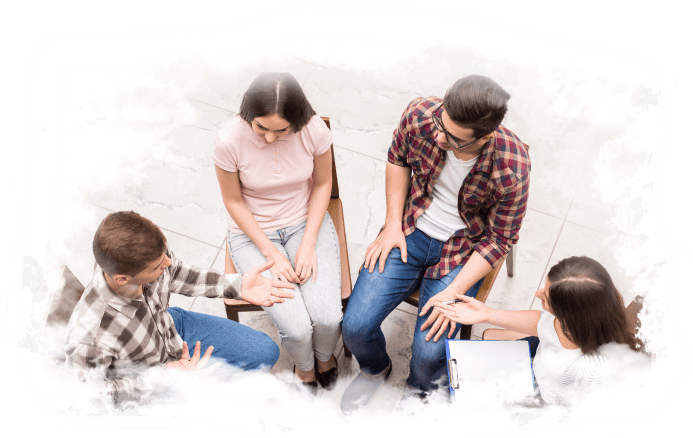
A solutions focused approach for people not trained as professional counsellors but often find themselves in counselling situations by accident.
The usual approach of helping people is not working well, takes a long time and the problem issue continues without improvement…
The Study
Samurai Library
The Study Samurai Program helps reduce the stress, pressure and anxiety of high school so students can study and learn faster and easier.
The Study Samurai Program unlocks 5 key areas for personal academic best performance…
- 75 video lessons from Prue and Rocky on study skills and wellbeing topics
- ELES Online Study Skills Handbook Website with 43 study skills units of work*
- Human Connections Online Wellbeing Resource with 17 modules
School Wellbeing Sessions
Supporting Student Mental Health & Well-Being in Schools
A Positive Psychology and Strengths Based Approach to Learning Social and Emotional Skills.
Students with well-developed and adaptive social and emotional behaviours are most likely to not only excel in school but also enhance students’ resilience and wellbeing.
Rocky Biasi
ABOUT HUMAN CONNECTIONS
Mental Health And Wellbeing
Resources For A Quality Life
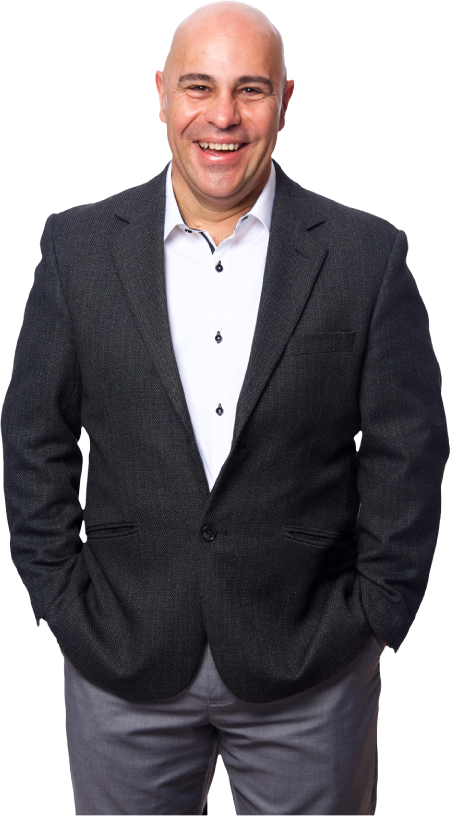
At the age of 16, Rocky left school in order to work in banking after which he proceeded to his own retail business. Despite being in another field, Rocky had a passion for teaching and he ultimately decided to follow through with his dreams. He commenced his teaching career in his 30s. He worked as a high school teacher and school counsellor for 15 years.
Stay Informed
Latest Blog Posts
Recently I found myself reading dozens of messages people had written to someone whose parent had died. Every message was trying to do the same thing: offer comfort. The care behind them was obvious. Yet some seemed to stand quietly beside the person in their grief, while others — with the very best of intentions
You’ve probably heard a lot about how to be present for someone else. How to listen well, hold space, sit with someone in their hardest moments. But there’s a question that doesn’t get asked nearly as often: what happens afterwards? After the conversation ends. After the person walks off and goes back to their day.
You’re in the middle of a busy day when a colleague pulls you aside. Their eyes are glassy. Their voice is tight. They start talking and something in you immediately begins scanning — what do I say? How do I fix this? What’s the right response? That urge to help by doing something is